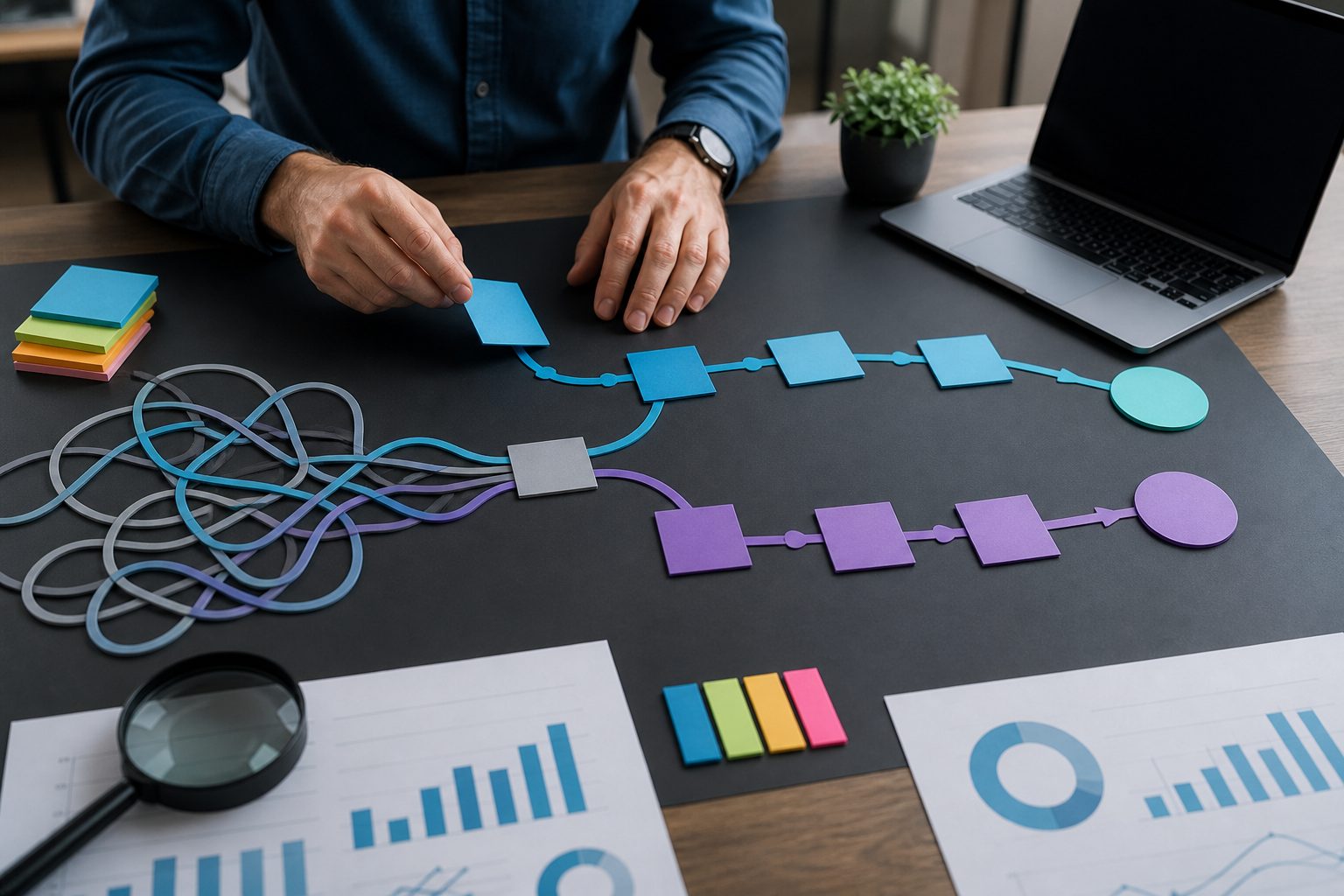
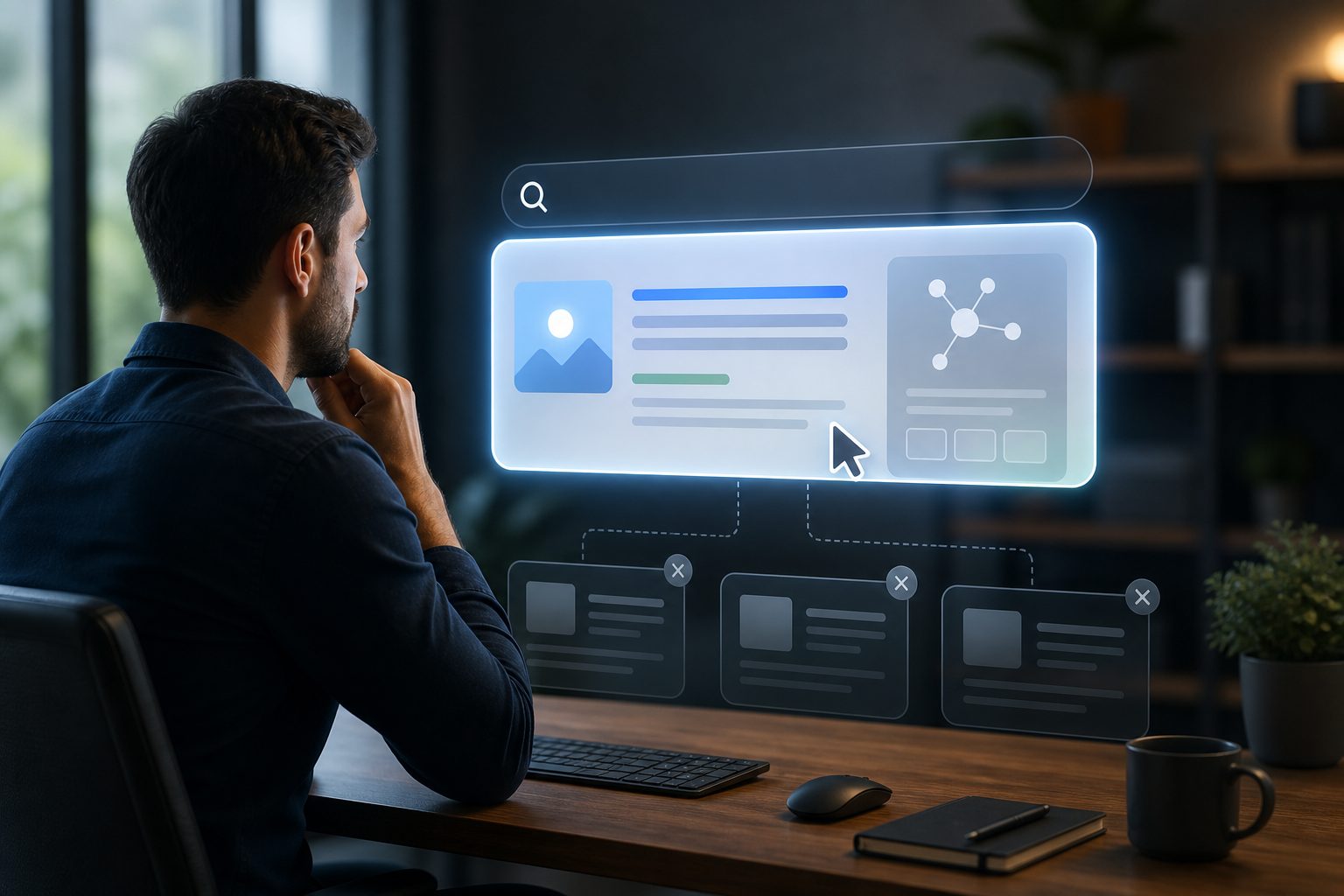
Why do zero click searches happen is a question many website owners, marketers, and writers ask when they see impressions rising but clicks staying flat. A zero click search happens when someone gets the answer they need directly on the search results page without opening a website.
This is common for quick facts, definitions, weather, calculators, brand details, local business information, and simple how-to answers. Search engines want to solve the user’s need quickly, so they often display summaries, featured snippets, maps, knowledge panels, and direct answers before organic results.
Zero click searches are not always bad. They can reduce traffic for simple queries, but they can also increase brand visibility, improve trust, and place your content in highly visible search features. The key is knowing which searches deserve quick answers and which should lead users deeper into your site.
Zero click searches happen because search engines have become answer engines, not just lists of links. They analyze intent, extract useful information, and present the most likely answer immediately.
For users, this can be convenient. If someone searches for a date, definition, conversion, phone number, or simple explanation, clicking a result may feel unnecessary.
For publishers, the impact depends on the query. A short informational query may lose clicks, while a complex commercial or research query can still drive meaningful visits.
The rise of mobile search also matters. Small screens reward fast answers, and users often prefer quick results while moving between tasks.
The practical takeaway is simple: content should not only chase clicks. It should also build visibility, authority, and reasons for users to continue beyond the first answer.
What Causes Users To Get Answers Without Clicking Search Results?
1. Search Engines Show Direct Answers
Search engines often display a short answer at the top of the results page when the query has a clear factual intent. If the user asks for a definition, formula, date, or simple explanation, the answer may appear immediately, removing the need to click through to a website.
2. Featured Snippets Summarize Web Content
Featured snippets pull a concise passage, list, or table from a web page and display it prominently. This helps users quickly scan the answer, but it can also satisfy the search completely, especially when the question is narrow and does not require deeper context.
3. Knowledge Panels Provide Entity Information
Knowledge panels appear for people, companies, places, products, and organizations. They collect details such as descriptions, locations, dates, and related facts. When the panel answers the user’s basic question, the search becomes a zero click search even if the information came from multiple sources.
4. Local Packs Answer Nearby Searches
Local searches often show maps, business hours, reviews, directions, and phone options directly in search results. A person looking for a nearby restaurant, clinic, or store may call, navigate, or compare choices without visiting the business website at all.
5. Search Intent Is Often Simple
Many searches are not meant to become website visits. A user may only want to know a spelling, exchange rate, sports score, time zone, measurement, or quick fact. When the intent is simple, the search engine can complete the task directly on the results page.
6. Mobile Users Prefer Fast Answers
Mobile behavior encourages zero click searches because users often search while multitasking. They may need an instant answer rather than a long article. Search engines respond by making answers more visible, tappable, and useful without requiring extra page loads.
7. AI Summaries Reduce Extra Searching
AI-generated search summaries can combine information from several sources into one response. This can help users compare ideas quickly, but it may also reduce clicks when the summary gives enough context for the user to feel satisfied without opening a result.
How Zero Click Searches Affect SEO
Zero click searches are changing how websites approach SEO and measure performance. While they can reduce direct traffic for some queries, they also create opportunities to improve visibility and strengthen brand recognition.
Reduced Organic Click-Through Rates
When search engines answer queries directly on the results page, users may not need to visit a website. This can reduce clicks for informational searches that only require a short answer.
Greater Visibility Through Search Features
Appearing in featured snippets, knowledge panels, and other search features can increase exposure even without generating a click. These placements help users discover and remember a brand.
Building stronger digital visibility also requires understanding audience engagement, and resources like Sociavae can provide useful insights into online growth strategies.
Changes In SEO Success Metrics
SEO success is no longer measured only by website visits. Impressions, search visibility, brand awareness, and conversions influenced by search exposure have become important performance indicators.
Greater Focus On Search Intent
Zero click searches make keyword selection and intent analysis more important. Marketers need to identify which searches are likely to generate valuable traffic and which are satisfied directly on search pages.
Need For More Valuable Content
Content that only provides a basic answer may lose clicks to search features. Creating detailed resources with unique insights, examples, and practical solutions helps attract users who need more than a quick response. A complete digital strategy combines valuable content with a reliable online experience. Businesses can use solutions like Virtara to support their broader digital growth efforts.
Major Google Features Behind Zero Click Searches
- Featured Snippets: These are short extracted answers that appear above or near traditional results and often answer questions in paragraph, list, or table form.
- Knowledge Panels: These panels summarize known facts about entities such as brands, public figures, places, products, and organizations.
- People Also Ask: These expandable questions help users explore related answers without leaving the results page.
- Local Packs: These results show local businesses, maps, reviews, hours, directions, and contact actions directly in search.
- Direct Answer Boxes: These provide quick facts such as calculations, conversions, dates, translations, and definitions. Tools like Texas Income Tax Calculator can also appear in this type of search experience by helping users get quick calculation-based answers. Users looking for body-related calculations may also use Bodytypecalcu to get instant results without additional searches.
- AI Overviews: These summaries combine information from multiple sources to answer broader questions directly in search results.
How To Respond To Zero Click Searches
To succeed in a zero click search environment, SEO strategies must focus on visibility, value, and user intent rather than clicks alone. The right approach helps your content appear in search features while encouraging users to engage with your brand.
1. Target Keywords With Deeper Intent
Do not rely only on keywords that can be answered in one sentence. Look for queries where users need comparison, explanation, examples, decision support, templates, tools, or expert guidance. These searches are more likely to produce clicks because the answer requires depth.
Understanding online engagement patterns can also help improve content strategies through resources like Sedecordle Game and similar digital experiences.
2. Optimize For Search Features
Appearing in a search feature can still build authority and visibility. Use clear definitions, concise summaries, logical headings, and structured explanations so search engines can understand your content. The goal is to become the trusted source behind the quick answer.
3. Give Readers A Reason To Continue
A simple answer should lead into useful next steps. After answering the obvious question, add examples, common mistakes, best practices, and practical guidance. This makes your page worth visiting even when search results already show part of the answer.
4. Strengthen Brand Signals
When clicks are harder to earn, recognition matters more. Use consistent messaging, expert authorship, clear topical focus, and trustworthy content. If users repeatedly see your brand connected with helpful answers, they may search for you directly later.
Building a recognizable online presence also requires clear strategies and organized digital workflows. Platforms like lineup build can help businesses create stronger connections with their audience and improve their overall digital approach.
5. Improve Local And Entity Information
For businesses, accurate listings, reviews, hours, services, and descriptions are essential. Many zero click searches happen in local results, so the information shown directly in search should be complete, current, and persuasive enough to support calls, visits, and directions.
6. Measure More Than Clicks
Traffic is important, but it is not the only signal. Track impressions, rankings in search features, branded search growth, calls, direction requests, conversions, and assisted customer journeys. This gives a more realistic view of SEO performance in a zero click environment.
7. Create Content For The Full Journey
Some users need a quick answer today and a detailed solution later. Build content that supports awareness, research, comparison, and decision stages. This helps your site capture users when they move beyond quick facts and need trusted guidance.
Interactive platforms such as Nbadle can also help create engaging digital experiences that encourage users to explore further.
Zero click searches happen because search engines are designed to answer many questions directly on the results page. Featured snippets, knowledge panels, local packs, direct answers, and AI summaries all make this possible.
For SEO, the goal is not to fight every zero click result. The goal is to choose better keywords, provide deeper value, and make your brand visible where users are already searching.
A strong strategy balances quick-answer optimization with content that earns real visits. When your pages answer clearly and then go further, zero click searches become a challenge you can manage instead of a trend you simply fear.
FAQs
What Is A Zero Click Search?
A zero click search is a search where the user gets the information they need directly on the results page and does not click any organic result. This often happens with definitions, local information, quick facts, calculations, weather, and simple questions.
Why Do Zero Click Searches Happen More Often Now?
They happen more often because search engines can better understand intent and display answers directly. Rich results, featured snippets, maps, knowledge panels, and AI summaries make it easier for users to complete simple searches without visiting another page.
Are Zero Click Searches Bad For SEO?
Zero click searches can reduce traffic for some keywords, but they are not always bad. They can increase visibility, build trust, and place your brand in important search features. The real issue is whether your keyword strategy depends too much on simple queries.
How Can I Get Clicks From Zero Click Keywords?
To earn clicks, answer the basic question quickly and then offer deeper value. Add examples, comparisons, original insight, practical steps, and expert advice. Users are more likely to click when they believe your page offers more than the search result preview.
Which Keywords Are Most Affected By Zero Click Searches?
Short informational keywords are usually most affected. Queries about definitions, dates, weather, conversions, business hours, and simple facts often end without a click. Longer research-based, commercial, and problem-solving keywords usually have better click potential.
Should I Avoid Keywords With Zero Click Results?
You do not need to avoid them completely. Some can still build awareness and authority. However, they should not be your whole SEO strategy. Balance them with keywords that show deeper intent and a stronger chance of leading to visits, leads, or sales.